
Polycystic Ovary Syndrome (PCOS) – Symptoms, Causes, Treatment & Lifestyle Tips
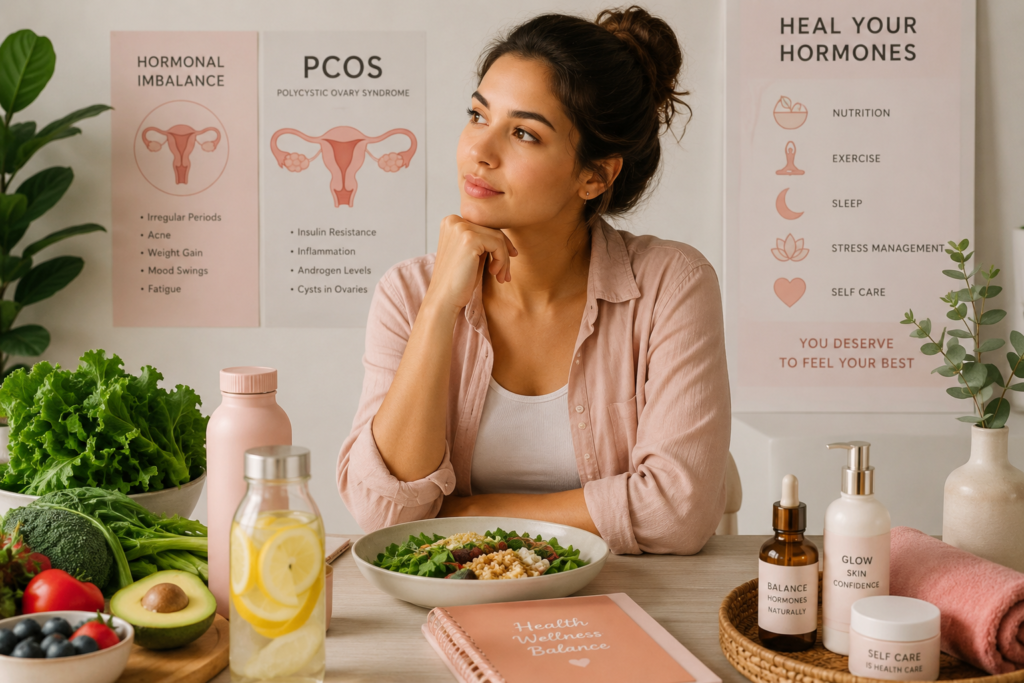
Polycystic Ovary Syndrome (PCOS) – Symptoms, Causes, Treatment & Lifestyle Tips
Polycystic Ovary Syndrome (PCOS) is one of the most common hormonal disorders affecting women of reproductive age. Millions of women worldwide experience symptoms related to PCOS, yet many remain undiagnosed for years because the condition can appear differently from person to person.
PCOS affects hormones, metabolism, menstrual cycles, fertility, skin health, and even emotional well-being. Some women experience mild symptoms, while others struggle with severe hormonal imbalance, irregular periods, weight gain, acne, or difficulty becoming pregnant.
Understanding PCOS is important because early lifestyle changes and proper medical support can significantly improve long-term health outcomes.
What Is Polycystic Ovary Syndrome?
Polycystic Ovary Syndrome is a hormonal condition where the ovaries produce higher-than-normal levels of androgens, often referred to as “male hormones,” although women naturally produce small amounts as well.
This hormonal imbalance can interfere with ovulation, menstrual cycles, and metabolism.
Women with PCOS may:
- Ovulate irregularly
- Experience missed periods
- Develop multiple small follicles on the ovaries
- Struggle with insulin resistance
Despite the name, not every woman with PCOS develops ovarian cysts.
Common Symptoms of PCOS
The symptoms of Polycystic Ovary Syndrome vary widely. Some women notice symptoms during teenage years, while others only discover the condition later when trying to conceive.
1. Irregular Periods
One of the most common signs of PCOS is irregular menstrual cycles. Periods may:
- Become very infrequent
- Stop for months
- Be unusually heavy
This happens because ovulation becomes inconsistent.
2. Weight Gain
Many women with PCOS experience difficulty losing weight, especially around the abdomen.
Hormonal imbalance and insulin resistance often make weight management more challenging.
3. Acne & Oily Skin
Higher androgen levels can increase oil production, leading to:
- Persistent acne
- Oily skin
- Breakouts along the jawline
4. Excess Hair Growth
Some women experience increased facial or body hair growth, a condition known as hirsutism.
5. Hair Thinning
PCOS may also contribute to scalp hair thinning or hair loss.
6. Difficulty Getting Pregnant
Because ovulation may become irregular, some women with PCOS face fertility challenges.
What Causes PCOS?
The exact cause of Polycystic Ovary Syndrome is not fully understood, but researchers believe multiple factors contribute.
Hormonal Imbalance
Increased androgen production interferes with normal ovulation.
Insulin Resistance
Many women with PCOS develop insulin resistance, meaning the body struggles to use insulin efficiently.
This can lead to:
- Weight gain
- Increased hunger
- Higher blood sugar levels
Genetics
PCOS often runs in families, suggesting a genetic connection.
How PCOS Affects Overall Health
PCOS is not only a reproductive condition—it can affect overall health in multiple ways.
Possible long-term risks include:
- Type 2 diabetes
- High blood pressure
- High cholesterol
- Sleep problems
- Anxiety and depression
This is why early management is important.
How PCOS Is Diagnosed
Doctors usually diagnose PCOS using a combination of:
- Medical history
- Symptom evaluation
- Blood tests
- Ultrasound examination
There is no single test that confirms PCOS. Diagnosis typically involves evaluating multiple symptoms together.
Can PCOS Be Cured?
Currently, there is no permanent cure for Polycystic Ovary Syndrome, but symptoms can often be managed effectively through lifestyle changes and medical treatment.
Many women successfully improve their health and quality of life with proper management.
Lifestyle Changes That Help PCOS
1. Healthy Diet
Nutrition plays a major role in managing PCOS symptoms.
Helpful dietary habits include:
- Eating high-fiber foods
- Reducing processed sugar
- Choosing balanced meals
- Including lean protein
2. Regular Exercise
Physical activity can improve:
- Insulin sensitivity
- Weight management
- Hormonal balance
Even moderate daily activity can make a noticeable difference.
3. Better Sleep
Poor sleep can worsen hormonal imbalance. Consistent sleep routines support overall health.
4. Stress Management
Stress can affect hormone levels and worsen symptoms. Relaxation techniques, exercise, and mindfulness may help.
PCOS & Fertility
Many women with PCOS worry about fertility, but having PCOS does not automatically mean infertility.
With proper management, many women successfully conceive naturally or with medical support.
Treatment options may include:
- Lifestyle changes
- Ovulation-support medications
- Fertility treatments if needed
Medical Treatments for PCOS
Treatment depends on symptoms and individual goals.
Birth Control Pills
Hormonal contraceptives may help regulate periods and reduce androgen-related symptoms.
Insulin-Support Medications
Some medications help improve insulin sensitivity.
Acne & Hair Treatments
Doctors may recommend treatments for acne or excess hair growth.
Mental Health & PCOS
PCOS can affect emotional well-being as much as physical health.
Some women experience:
- Low self-esteem
- Anxiety
- Mood changes
- Depression symptoms
Emotional support and proper healthcare are important parts of PCOS management.
Common Myths About PCOS
Myth 1: Only Overweight Women Get PCOS
PCOS affects women of all body types.
Myth 2: PCOS Means You Can’t Get Pregnant
Many women with PCOS successfully have children.
Myth 3: Irregular Periods Are Always Normal
Frequent irregular cycles should be evaluated by a healthcare professional.
When to See a Doctor
You should consider medical evaluation if you experience:
- Very irregular periods
- Excess facial hair growth
- Persistent acne
- Difficulty getting pregnant
- Rapid unexplained weight gain
Early diagnosis can help prevent complications later.
Daily Habits That May Improve PCOS Symptoms
Small daily habits often create the biggest long-term improvements.
Helpful habits include:
- Drinking enough water
- Eating balanced meals
- Reducing sugary drinks
- Staying active regularly
- Managing stress levels
Long-Term Outlook for Women With PCOS
While PCOS can be challenging, many women manage their symptoms successfully and live healthy lives.
Education, consistent habits, medical support, and self-care play an important role in improving overall well-being.
You can use this trusted medical information page from Mayo Clinic PCOS Guide
It explains:
PCOS symptoms
causes
diagnosis
treatment options
lifestyle changes
Very useful and reliable for health information.
Content Reference
This article is intended for educational and informational purposes only and is based on commonly recognized medical understanding of Polycystic Ovary Syndrome, hormonal health, metabolic factors, and women’s wellness management strategies.
FAQs – Polycystic Ovary Syndrome (PCOS)
What is the main cause of PCOS?
The exact cause is unknown, but hormonal imbalance, insulin resistance, and genetics are believed to play major roles.
Can PCOS go away naturally?
There is no permanent cure, but symptoms can often improve significantly with lifestyle changes and medical management.
Can women with PCOS get pregnant?
Yes, many women with PCOS successfully become pregnant naturally or with medical support.
Does PCOS always cause weight gain?
No, not every woman with PCOS gains weight, although weight-related symptoms are common.
What foods are good for PCOS?
High-fiber foods, lean protein, balanced meals, and reduced processed sugar intake may help support hormonal health.
Want to Learn More About Women’s Wellness & Healthy Living?
Understanding your body is one of the most important steps toward better long-term health. Learning about hormonal balance, nutrition, lifestyle habits, and wellness strategies can help women make more informed health decisions.
Explore more health, wellness, and lifestyle guides to stay informed and support a healthier daily routine with Couponztime.